

Presumptive Opinion
An unsung benefit of Socratic learning

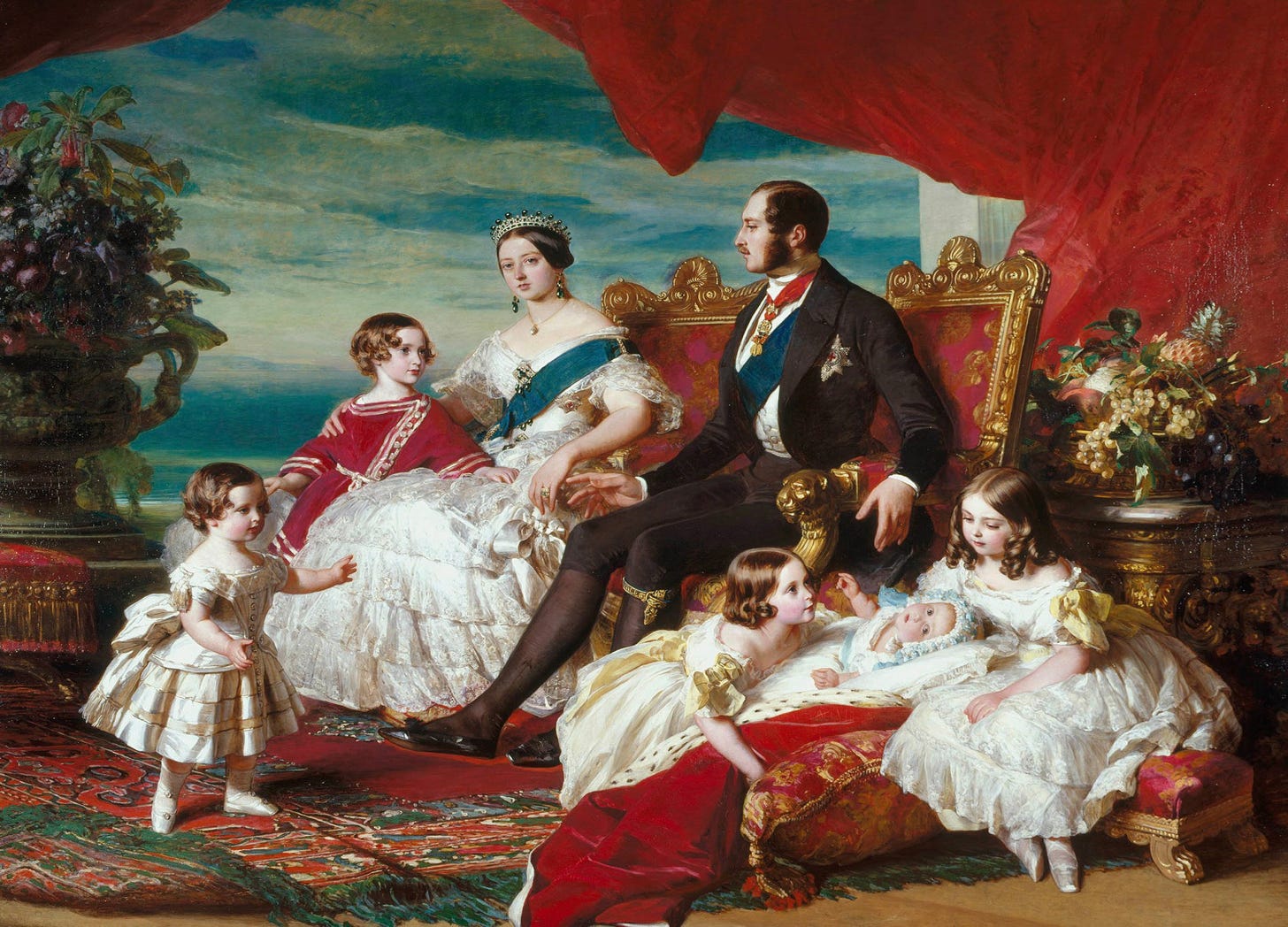
In the world of European royalty, an ‘heir presumptive’ – often the eldest female child of a queen who had yet to bear a son – stood first in line to inherit the kingdom in question. If, however, someone with a stronger claim should appear, the latter would take her place at the head of the queue in front of the throne.
Thus, for example, Princess Victoria, the eldest daughter of Queen Victoria and Prince Albert, enjoyed the status of heir presumptive from her birth on 21 November 1840 until the arrival of her brother, the future Edward VII, on 7 November of the following year. (Something tells me that neither Victoria nor Albert described the pair of royal infants as ‘Irish twins’.)
In the world of decision games and other forms of Socratic learning, an opinion expressed in the course of a conversation enjoys a status comparable to that of an ‘heir presumptive’. That is, while the participant should express his thoughts in clear, unequivocal, actionable language, he retains the freedom to replace that opinion with another. That is, no one should say ‘I’m sorry. You’ve already cast your vote. You may not change your mind.’
To put things another way, the relationship between a discussant and his decision differs from the one that connects an attorney to his client. While a lawyer must argue his case until the jury renders its final judgement, a participant in a decision game may, and, in some cases, should, modify his views, and perhaps even change them entirely, in the course of the exercise.
Related Reading


