

Reading from the Middle
One of the many bridges into a book

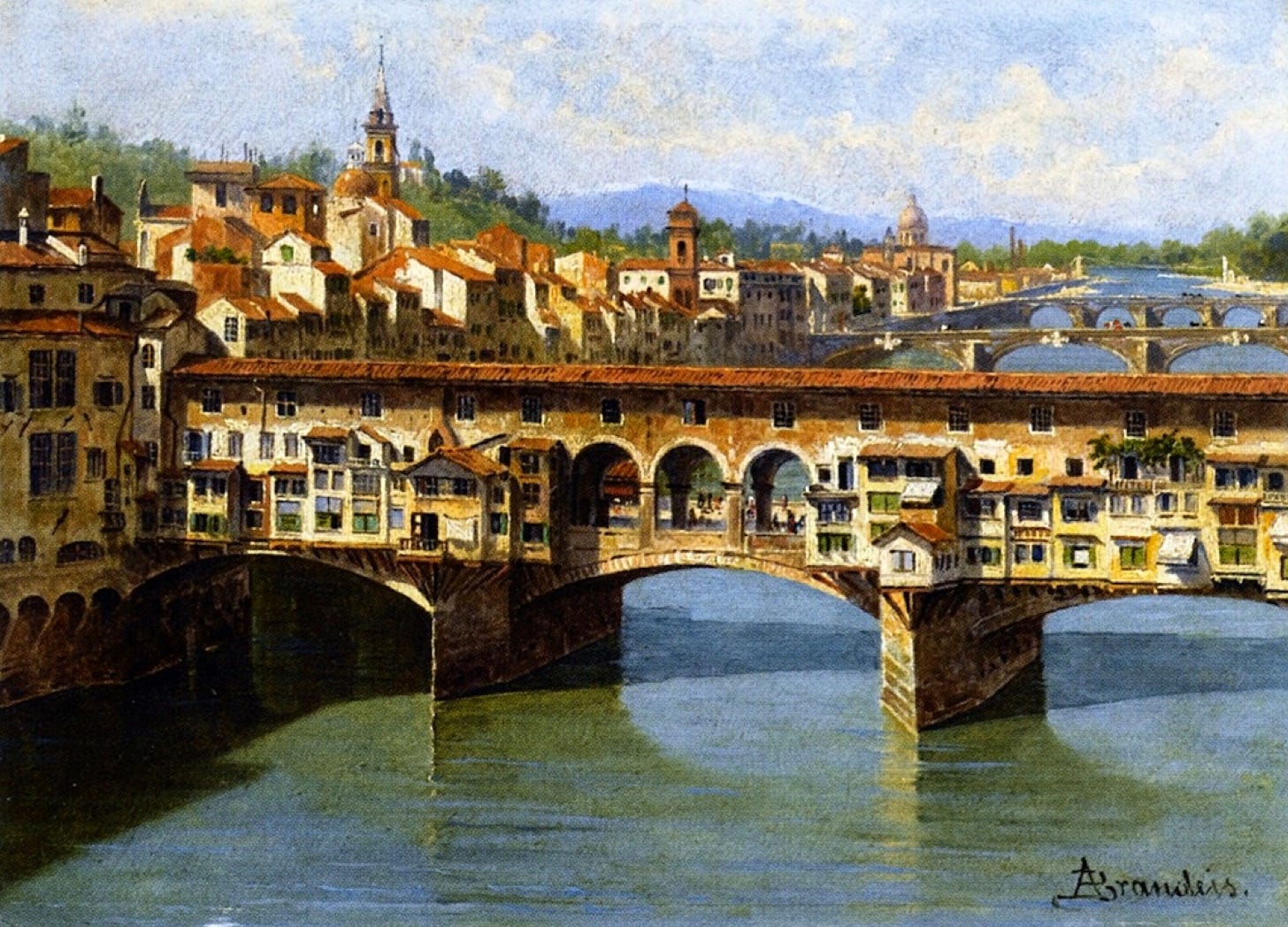
When I read a book, I often start somewhere in the middle. Sometimes, I do this because that section casts light on a problem at hand. At other times, I begin at a place other than the beginning because it promises to provide me with a convenient means of moving from the world in which I live to a realm rich in novelty.
Many authors provide bridges of their own making. The passage of time, however, will often deprive such structures of their ability to carry the present-day reader into places that are new to him.
Consider, if you will, the Discourses of Niccolò Machiavelli. Before treating the reader to the first of his 142 little essays, he supplies him with both an ‘epistle dedicatory’ and fully fledged preface.
The first of these honors Zenobi Buondelmonti and Cosimo Rucellai, neither of whom achieved sufficient celebrity to earn an entry in Wikipedia.1 People familiar with the life of Signore Machiavelli may remember that the dedication of an earlier work (The Prince) to a famous person (Lorenzo de Medici) failed to win him the well-paying job that he sought. Readers new to the life and times of the author, however, will find little more in this dedication than possibilities for painfully precious, terribly twee, and excessively pretentious names for house cats.
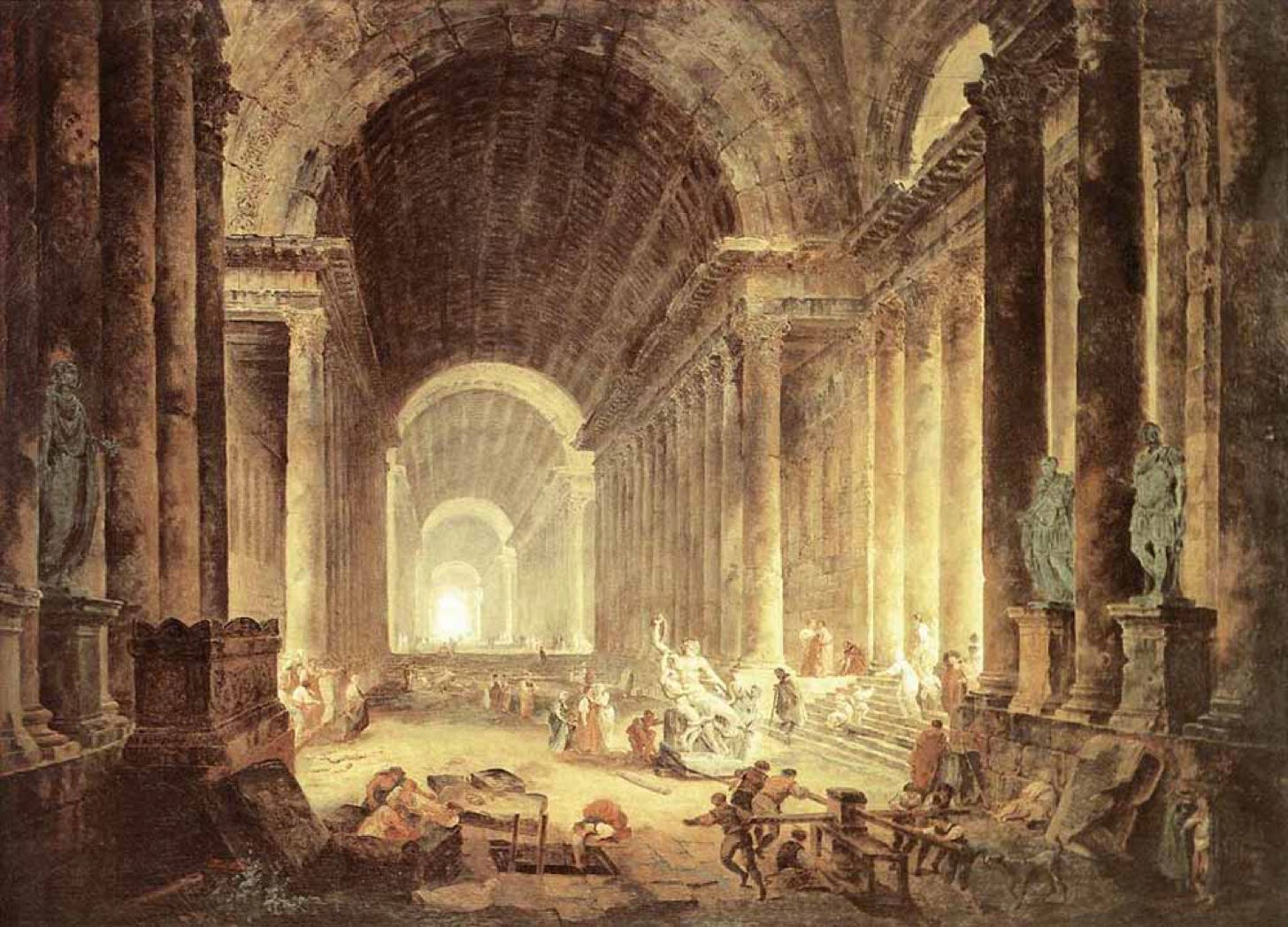
The preface suffers less from this need for peculiar knowledge. Indeed, in describing both the motivation for, and the method of, the work that follows, it does exactly what an introduction ought to do. That said, it will only serve as a bridge for readers who come to it with an understanding of the degree to which Machiavelli’s contemporaries venerated all things recovered from the wreckage of ancient Rome.
It would be convenient for me to ascribe my own leap into the middle of the Discourses to the deficiencies of Machiavelli’s front matter. However, to tell the truth, it never occurred to me to begin at the beginning. Rather, my engagement with the work as a whole began with an exercise in ‘smash and grab’.
For some time now, I have been collecting materials for a series of decision-forcing cases about the project - begun by Machiavelli and completed by Michelangelo - to strengthen the fortifications of Florence, and, in particular, to increase the ability of that city to defend itself against an army equipped with lots of gunpowder artillery. Thus, a few weeks ago, I exploited the windfall of a free afternoon to go looking for anything that the ol’ Niccolò may have written on that subject.
Thanks to the good offices of Hathi – the search engine I call, with great affection, the Puissant Pachyderm – I discovered the nine pages of the Discourses that Machiavelli devoted to the subject of castle-crushing cannon. (Marvelous to say, this chapter began just nine pages after the absolute mid-point of the work.)(Internet Archive)
I liked this discourse so well that, on the eve of Saint Barbara’s Day – how’s that for timing – I decided to publish a version of it in The Tactical Notebook. Better yet, the close reading and reference-checking that I did to prepare the text for publication prepared me well for my first, and equally serendipitous, engagement with the entirety of the Discourses.
Please note, Gentle Readers, in telling this tale of unruly reading, I do not denigrate, in the least, the folks who begin a book at the beginning. Indeed, I have given several people of that persuasion places of honor in my pantheon of accomplished autodidacts. (Shout out to Sarah Morand, Rob Pirie, Sam Rinko, and Nate Marshall!) Rather, I merely wish to encourage those readers who, like me, follow different paths up the great mountain of self-directed education.
Articles Mentioned


I consulted the English, French, German, and Italian incarnations of that encyclopedia.