
Material and Matériel
'Pardon My French' meets 'Tricksy Twins'

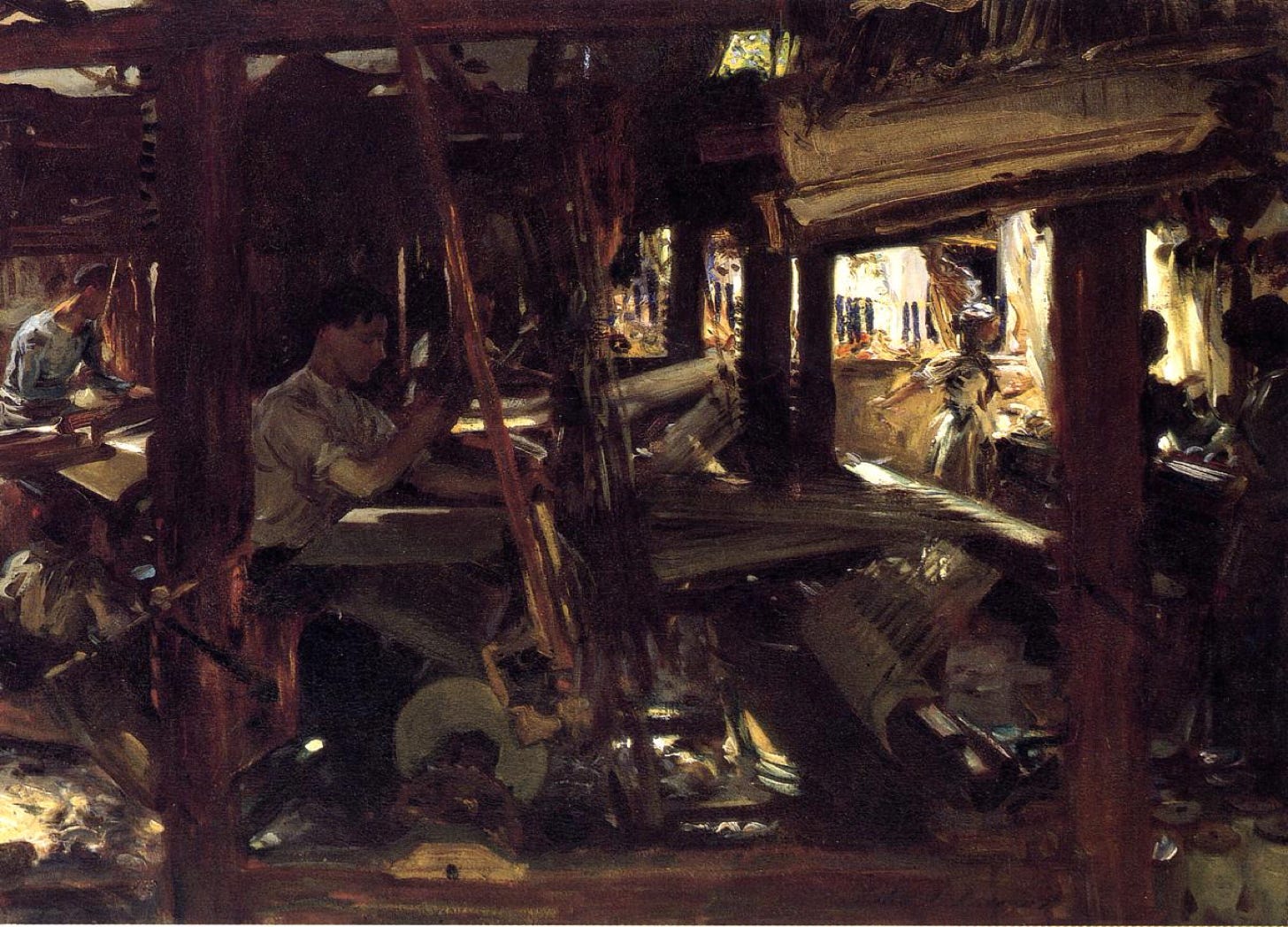
For a century and a half, the United States of America maintained a school for engineers that, among other things, sheep-dipped promising young men from all parts of the young republic in four years of ferocious francophilia. The first - and, for several decades, the only - institution of higher learning maintained by the Federal government, this académie required, on pain of expulsion, that its students dress in French-inspired clothing, immerse themselves in French technology, and master the French language.
In 1816, the annual report of the school sent to Washington explained that, at the end of four years of intensive study, graduates should be capable of ‘pronouncing the language tolerably and translating from French into English and from English into French with accuracy.’ By 1871, the course had become even more ambitious. Thus, in the decade of the centennial of the United States, the school expected that students ‘master a thoroughness of grammatical principles and rules, and accurate, natural translation, accompanied with excellent pronunciation and enunciation.’1
Well into the middle of the nineteenth century, many of the textbooks used by students at America’s engineering school, as well as most of the books in its library, were written in the language of Molière.2 Thus, while formal instruction in French per se took up but twenty percent of the time that students spent in the classroom, the study of other subjects often provided opportunities for additional exposure to Gallic ways of expressing ideas.
As might be expected, graduates of this institution, many of whom ended up running railroads, peppered their speech with French words and phrases. Thus, when contemplating the workings of the corporations they managed, they often described the hired help as personnel and things made out of iron or steel as matériel.
Unfortunately, this custom quickly ran afoul of the similarities between recent arrivals from the Land of Short-Lived Constitutions and their fully naturalized cousins.3 ‘Mr. Dogsbody, will you please inform our personnel that they may not attend to personal matters during business hours. In particular, agents charged with the purchase of matériel, whether rails or rolling stock, should not shop for material (such as that used to make pantaloons, petticoats, and pinafores) on company time.’
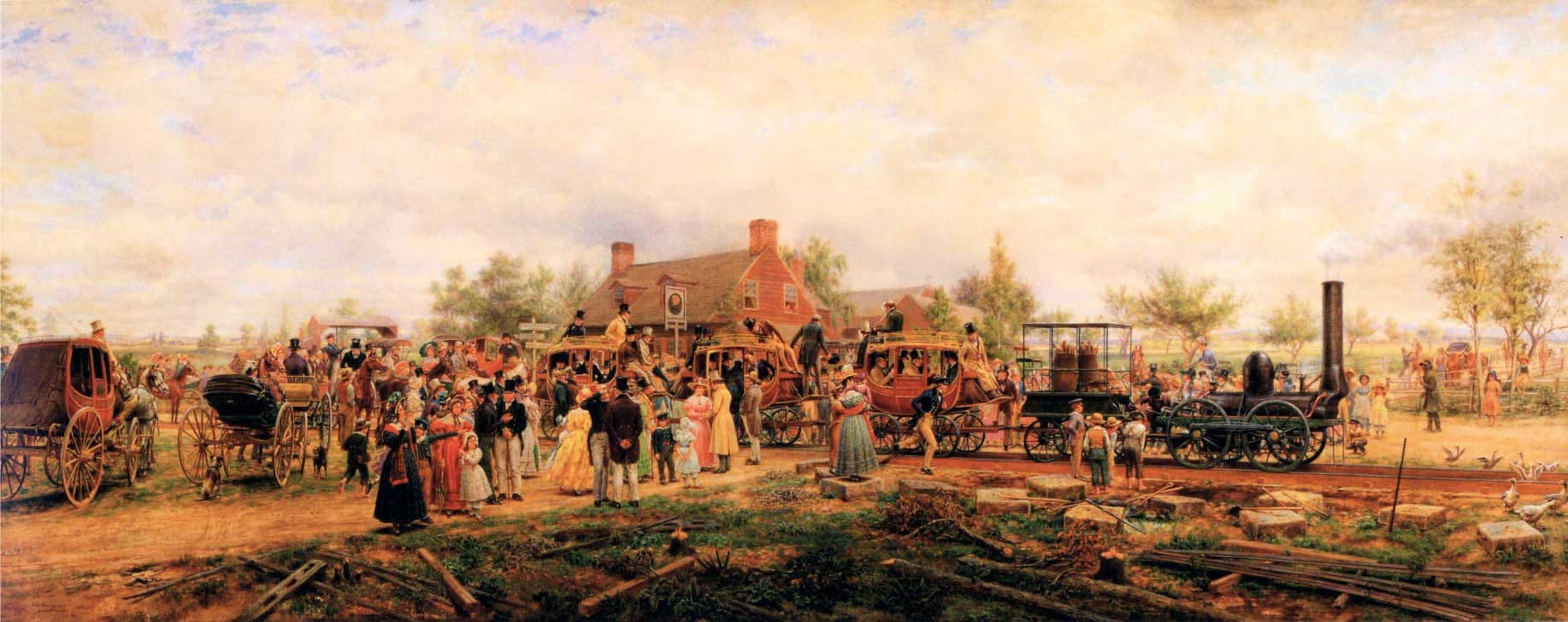
The engineering school that introduced matériel to the lexicon of American business also trained men for careers in the US Army. Indeed, America’s answer to the École Polytechnique bore, from its founding in 1802, the unmistakably martial designation of ‘The United States Military Academy’. Thus, while some products of America’s francophile factory became captains of industry, others ended up as captains of the original sort.
Soon after graduation from West Point, freshly minted officers often found themselves posted to far-flung frontier forts. In such places, rich in hinky-dinky, but poor in parlez-vous, some shave-tails dropped the distinction between matériel and ‘material’. Others, however, took pains to preserve that relic of happy days on the banks of the Hudson River. To this end, they adopted the habit of stressing the final ‘e’ in matériel.
The latter practice, alas, ran afoul of the way people in the English-speaking world normally pronounced ‘é’. (Digby’s fiancée wrote a blasé exposé about the dépassé pâté served at the démodé café.) In response, a few military authors shifted the diacritic to the last vowel of the word, thereby creating ‘materiél’. A larger number dropped the accent entirely.
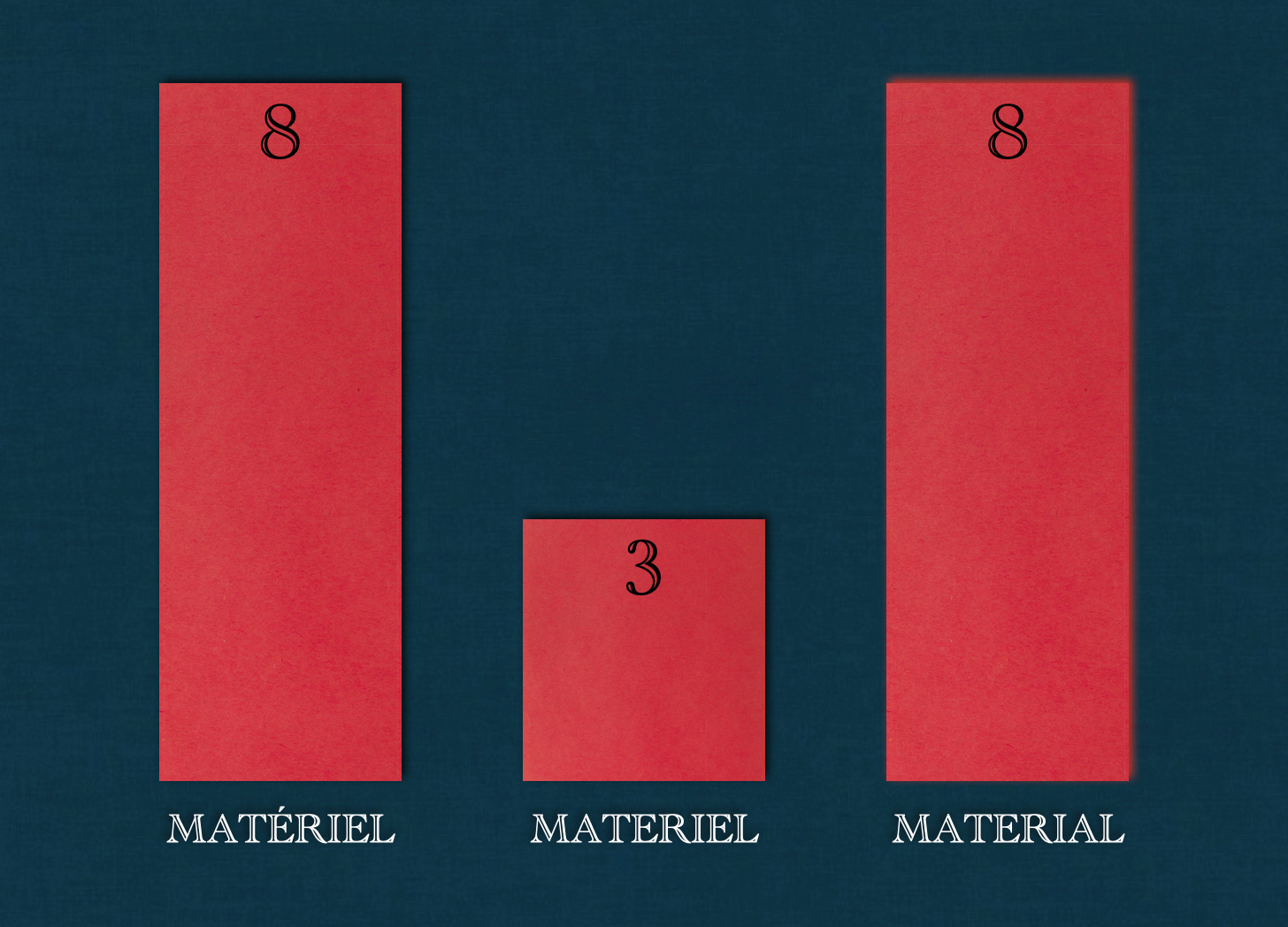
Thanks to these developments, American military officers writing about the durable goods employed for pugilistic purposes enjoyed four orthographical options, each of which differed from its cousins by a single symbol. (In his delightfully detailed report on the ordnance he encountered during his grand tour of the arsenals of Europe, matériel maven Major Mordecai used three of these four spellings.)4
In June of 1940, news of the fall of France converted the frank francophilia of American military officers into a ‘love that dared not speak its name’. Paeans to French methods disappeared from the pages of military journals. For the first time in its history, West Point allowed students to substitute the study of another living language for the previously mandatory courses in French. (Strange to say, many cadets opted for German.) And, as might be expected, the accent that had so often graced the middle syllable of matériel went the way of How’re You Gonna Keep ‘Em Down on the Farm, After They’ve Seen Paree.
Today, people who speak the peculiar patois of the US Army continue to embrace, in both writing and speech, the distinction between mundane ‘material’ and martial ‘materiel.’ At the same time, folks in the academic world have repurposed matériel to describe aspects of a culture that fall outside (you guessed it) the realm of mentalité.


John R. McCormick ‘History of Foreign Language Teaching at the United States Military Academy’ The Modern Language Journal (May 1970) pages 320-321
The website of the Hathi Trust preserves of the first published inventory of the book collection of US Military Academy, a pamphlet of thirty-one pages that rolled off a printing press in nearby Newburgh, New York, in 1822. The Internet Archive holds copies of the catalogs published in 1853, 1859, and 1873.
My English friends like to tell the tale of the lady who, late in the reign of Queen Victoria, walked into a bookshop and asked ‘Would you have a copy of the French constitution?’ ‘I’m sorry, Madame’, replied the salesclerk, ‘we do not carry periodicals.’
In making the tally reflected in the chart, I omitted uses of the word ‘material’ that referred to things, like the cloth used to make uniforms, that belonged to realms other than that of the iron monger.